


“Free Ukraine Fund” encourages investments
25.02.2026
The Ukrainian Security and Cooperation Center, which celebrates its 3rd anniversary on April 2, is implementing…
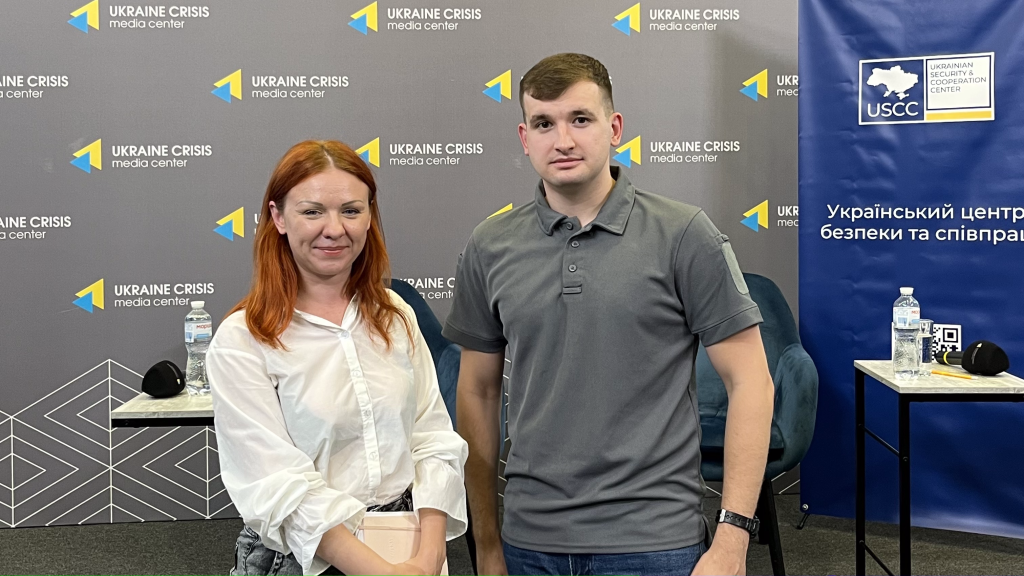
Speakers of the discussion at the Ukraine Crisis Media Center. Source — UCSC.
On August 31, a discussion was held at the Ukraine Crisis Media Center on the topic: “Ukrainian Refugees as a Target of Russian Propaganda: How the Kremlin’s Campaign of Harassment Against Ukrainians Worldwide Unfolded.”
The speakers included:
Dmytro Zhmaylo — Co-founder and Executive Director of the Ukrainian Center for Security and Cooperation;
Marianna Prysiazhniuk — Head of the Hybrid Threats Analysis Group, Ukraine Crisis Media Center;
During the discussion, the speakers examined the Kremlin’s attempts to discredit Ukrainian refugees through information campaigns and propaganda, using case studies from the Czech Republic, the Republic of Moldova, Romania, and Poland.
In the Czech Republic, anti-government protests are ongoing, and a Roma–Ukrainian conflict is being actively exploited by pro-Russian forces, who spread fake news through their own media and among the Czech population. The UCSC previously addressed this issue in the article “The Russian Hydra in Europe: Czech Republic Under Attack.”
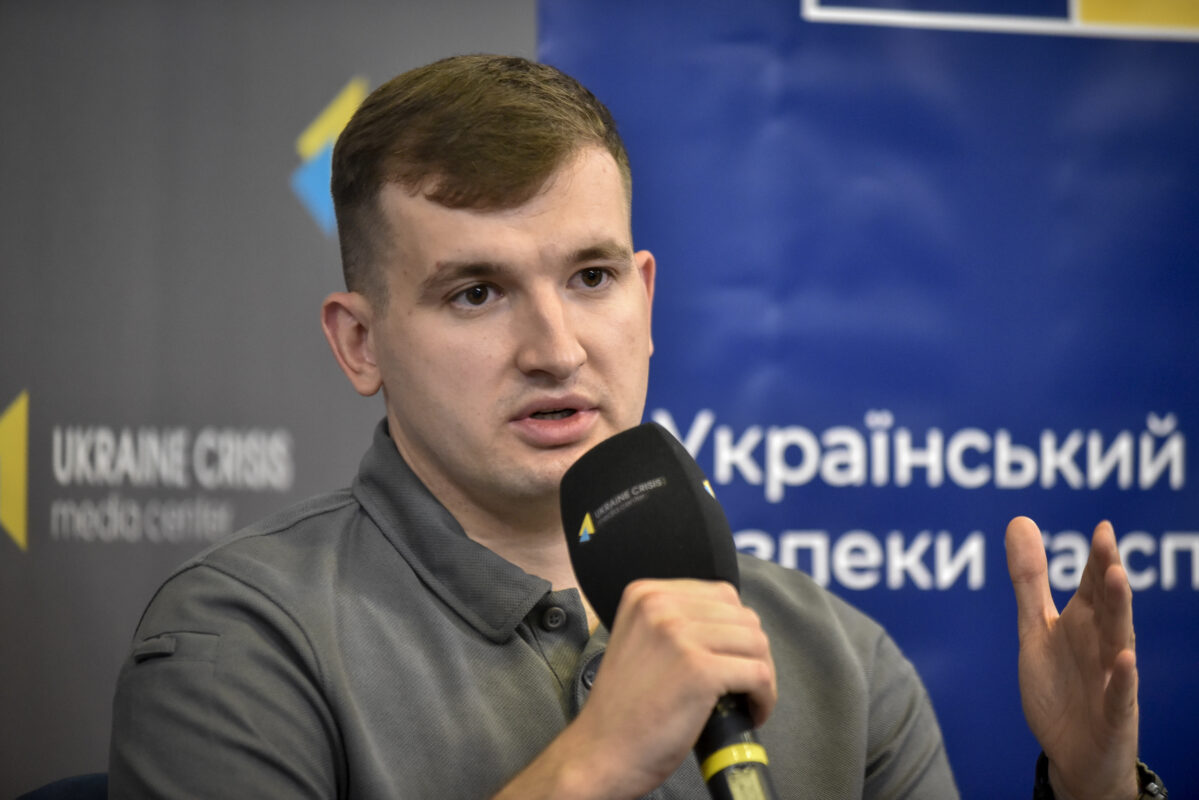
Dmytro Zhmaylo — Co-founder and Executive Director of the Ukrainian Center for Security and Cooperation.
“The country is constantly witnessing protests under social slogans. Among the participants are individuals using Russian symbols. Recently, certain representatives of the Roma minority in the Czech Republic have joined the agitation campaign. The trigger was the tragedy in the city of Brno, where a group of Roma youths clashed with a Ukrainian citizen on public transport.”
“Thanks to our friends and partners in the Czech Republic, a joint vigil was organized under the leadership of the Union of Roma of Czechoslovakia. During the event, the victims were commemorated and Russian fakes were debunked. The leader of the Roma community in the Czech Republic directly stated that, unfortunately, some marginal members of the community are susceptible to Russian propaganda, and there is an effort to reduce this social tension,” commented Dmytro Zhmaylo, Executive Director of the Ukrainian Center for Security and Cooperation.
In Poland, since early June, several dozen fake stories related to Ukrainian refugees have been recorded, aimed at demonizing Ukrainians and fueling public resentment. In particular, one pro-Russian outlet published an article titled “Opening the borders to Ukrainian refugees was a fatal mistake. It is like opening the gates of hell from which devils now emerge.” Meanwhile, pro-Kremlin Telegram channels spread a false story on Ukraine’s Independence Day about a Polish man allegedly beaten by 12 refugees for refusing to chant the so-called “Nazi slogan” “Glory to Ukraine.”
Similar cases have also been recorded in Romania and Moldova, where pro-Russian narratives are sometimes supported by politicians themselves. These figures often promote claims that Ukrainian refugees live comfortably and enjoy full rights, while ethnic Romanian communities in Ukraine are allegedly oppressed and suffer from rights violations. Among such Romanian politicians are Daniel Ghiță and Diana Șoșoacă. In Moldova, Chişinău Mayor Ion Ceban stated that refugees from Ukraine pose a risk to public security.
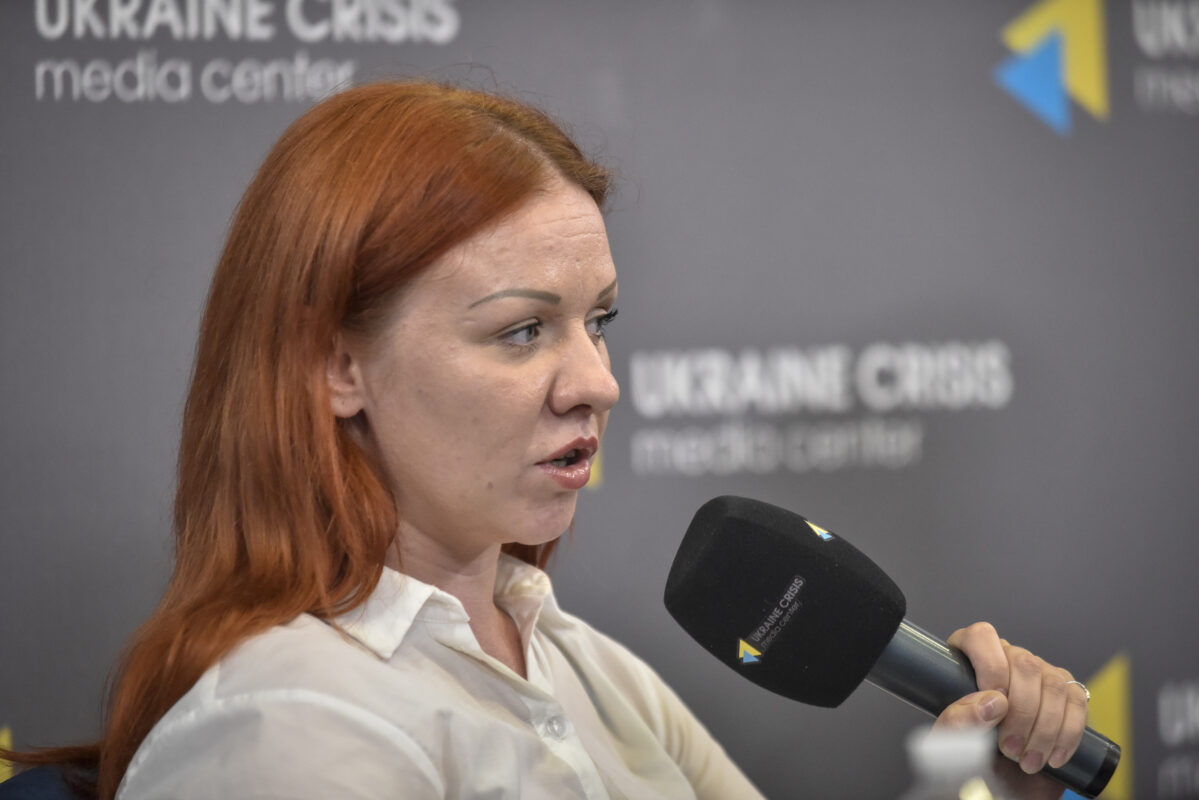
Marianna Prysiazhniuk — Head of the Hybrid Threats Analysis Group, Ukraine Crisis Media Center.
“All Russian narratives are aimed at creating a sense among citizens that they are losing something by accepting refugees. Russian propaganda operates on societal divisions, artificially inflaming and amplifying conflicts,” emphasized Marianna Prysiazhniuk, Head of the Hybrid Threats Analysis Group at UCMC.
The threat of such cases aimed at weakening the Western coalition will only grow over time. Countering and neutralizing threats and Russian influence within countries must become a top priority on the agenda across Europe.
We express our gratitude to the Ukraine Crisis Media Center for organizing the discussion.
25.02.2026
The Ukrainian Security and Cooperation Center, which celebrates its 3rd anniversary on April 2, is implementing…
24.06.2024
An advocacy summit, Nordic Ukraine, took place in Helsinki, the capital of Finland. Participants included the…

24.04.2024
In Germany, with the support of the Ukrainian Center for Security and Cooperation, a discussion was…


