


Mariupol is Putin’s blueprint for occupation, and the world is barely paying attention
18.05.2026
When Russia launched its full-scale invasion of Ukraine in 2022, Mariupol quickly became the site of…
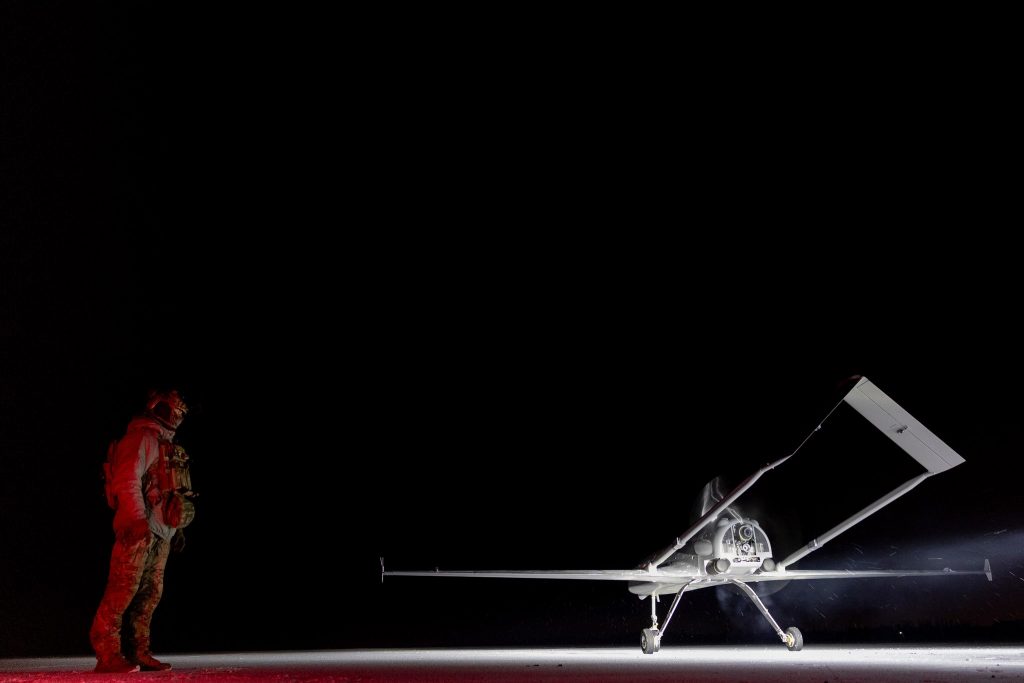
Ukraine is carrying out long-range strikes using domestically produced drones against Russian air bases and defense industry facilities.
Overall, in April and May 2025, at least 32 military sites and facilities of Russia’s military-industrial complex were struck. One of the latest attacks took place on June 12 against the Resonit enterprise, which manufactures electronics for radar systems, electronic warfare, UAVs, and navigation equipment. On June 11, the Tambov Gunpowder Plant—a critical facility for the production of Russian propellants—was attacked, along with several other military targets.
Prior to that, there were strikes on military airfields. On June 9, 2025, the Savasleyka air base, located 600 kilometers from Ukraine’s border, was attacked. According to Ukraine’s General Staff, one MiG-31K aircraft— a carrier of Kinzhal hypersonic missiles—was destroyed, along with another unidentified aircraft, either a Su-30 or Su-34. Earlier, on June 6, the Engels-2 air base was attacked. This base hosts Russian strategic bombers used to launch cruise missile strikes against Ukraine.
It is worth noting that these strikes on air bases occurred while they were actively being used by Russian aviation. During the Ukrainian drone strike on Engels-2, a missile attack involving Russian bombers was underway, and the aircraft were reportedly unable to land at the airfield for several hours due to the Ukrainian strike and the resulting fire. During the attack on Savasleyka, Russian aircraft from that base were being used to launch four Kinzhal missiles. Ukrainian forces most likely possess the necessary operational and intelligence data to strike at critical moments—specifically when Russian strategic aviation is armed with missiles and preparing attacks on Ukrainian cities. However, due to the technical complexity of drone operations and possible delays, Russian aircraft often manage to evade strikes at the last moment.
Last year, in an analytical article for the leading international military publication War on the Rocks, the Ukrainian Center for Security and Cooperation emphasized the strategic necessity of striking long-range targets deep inside Russia, primarily aviation bases and locations hosting missile carriers and aerial bombs. This was especially important because, at that time, a window of opportunity existed and Russia was not prepared to effectively protect its airfields—for example, most lacked even basic aircraft shelters.
The article also highlighted the need for Ukrainian partners to support long-range strikes by supplying the appropriate weapons systems and, most importantly, by demonstrating political will and lifting restrictions on striking targets inside Russia.
Despite the lifting of restrictions by partners in the fall of 2024—primarily by the United States—this step proved to be largely overdue and was more of a reaction by Washington to the situation on the battlefield and the political challenges facing President Joe Biden’s administration ahead of the elections.
The full article was published on Obozrevatel.com
Author: Dmytro Zhmailo
Photo: Valentyn Ohirenko / Reuters
18.05.2026
When Russia launched its full-scale invasion of Ukraine in 2022, Mariupol quickly became the site of…

05.05.2026
Russia pressed every Donbas sector in April, with assault tempo at a two-month high. The territorial…

16.03.2026
It is in the war against Ukraine that Russia is trying to adhere to this non-linear…


