


“Free Ukraine Fund” encourages investments
25.02.2026
The Ukrainian Security and Cooperation Center, which celebrates its 3rd anniversary on April 2, is implementing…
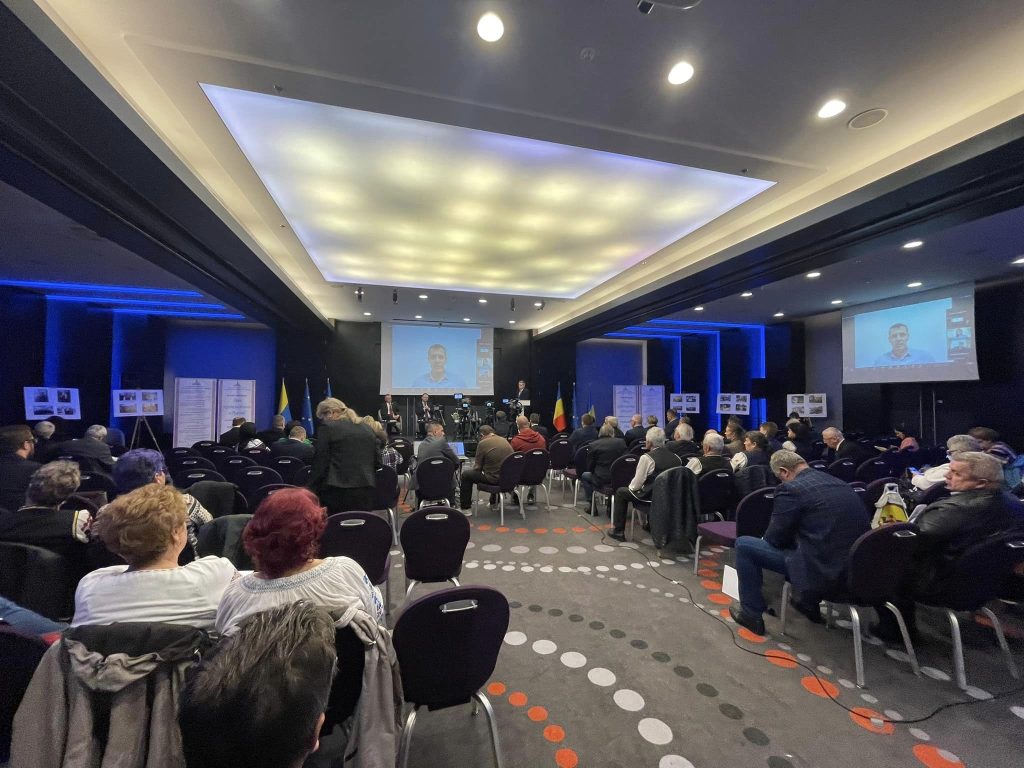
Speech by the Head of the UCBSS, Serhii Kuzan, at a panel discussion in Romania. Photo – Hanna Hopko.
On November 9, the team of the Ukrainian Center for Security and Cooperation took part in the panel discussion “Ukrainian Language Day in Romania – An Opportunity to Reflect on Challenges in the Region,” focused on the geopolitical challenges facing Ukraine.
The conference, organized by the Union of Ukrainians of Romania, brought together 33 speakers from Ukraine, Romania, Moldova, and Slovakia. Participants discussed continued multidimensional support for Ukraine and countering Russian influence, sanctions policy against Russia, ways to combat Russian disinformation, and the impact of these phenomena on socio-political processes in Europe.
In particular, speakers in the panel “Democracy vs. Autocracy: The Importance of Continuing Multidimensional Support for Ukraine” included representatives of the Ukrainian Center for Security and Cooperation:
Serhii Kuzan – Head of the Ukrainian Center for Security and Cooperation, military expert and analyst;
Solomiia Khoma – Coordinator for International Cooperation at the Ukrainian Center for Security and Cooperation and representative of the European Congress of Ukrainians in Kyiv.


Commenting on Romania’s support for Ukraine and the country’s needs during the war, the Center’s experts called on politicians and civil society leaders to identify and combat Russian influence in all spheres in order to maximally weaken Russia and preserve unity among countries.
Observing Western unity in supporting Ukraine and feeling its own weakening position, Russia repeatedly resorts to manipulation. A vivid example is Russian attacks on Ukrainian port infrastructure and the “falling” of Russian drones and missiles onto the territory of Romania and Poland. It is doubtful that such incidents are not tests of our partners’ resilience.
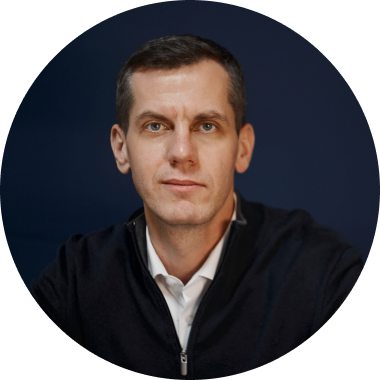
Serhii Kuzan – Head of the Ukrainian Center for Security and Cooperation, military expert and analyst
“Russian influence is intensifying, and the most difficult trials lie ahead. All provocations staged today by Russia under the guise of ‘shelling,’ rallies, and unrest are aimed at destabilizing the domestic political situation in European countries, spreading disinformation, undermining trust in state institutions, and promoting narratives about the need to restore relations with Russia to the pre-war level. Europe is now Ukraine’s rear; our shared victory depends on its stability and security. Therefore, we emphasize the need to continue combating Russian influence and preserving unity on this issue,” comments Serhii Kuzan, Head of the UCBSS.
Sanctions restrictions also critically affect Ukraine’s defense capability, as Ukraine, at the cost of its defenders’ lives, restrains Russian aggression and allows the world to live in peace. At the same time, there are still companies in Europe that continue to cooperate with Russia, and politicians in parliaments and governments—the so-called “foreign observers”—continue to influence decision-making. These individuals illegally visited occupied territories of Ukraine and became accomplices in legitimizing Russian occupation.
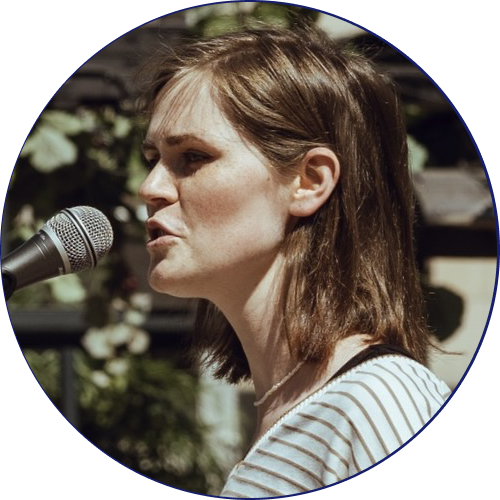
Solomiia Khoma, Coordinator for International Cooperation at the Ukrainian Center for Security and Cooperation and representative of the ECU in Kyiv.
“A special place in Russia’s hybrid war is occupied by foreign ‘observers’—citizens of European countries and other parts of the world who, at Russia’s invitation, travel to perform the role of so-called observers during illegal elections and referendums in the temporarily occupied territories of Ukraine. In this way, Russia managed to legitimize the occupation of Crimea in 2014 and later, in 2022, the occupation of Donetsk and Luhansk regions. All such ‘observers’ are accomplices in illegal military aggression, and in September 2023, among these so-called observers was also a citizen of Romania,” adds Solomiia Khoma.
We express our gratitude for organizing the event to the President of the Union of Ukrainians of Romania, Mykola-Myroslav Petrytskyi, as well as to the Ukrainian World Congress, the European Congress of Ukrainians, and the Embassy of Ukraine in Romania.
25.02.2026
The Ukrainian Security and Cooperation Center, which celebrates its 3rd anniversary on April 2, is implementing…
24.06.2024
An advocacy summit, Nordic Ukraine, took place in Helsinki, the capital of Finland. Participants included the…

24.04.2024
In Germany, with the support of the Ukrainian Center for Security and Cooperation, a discussion was…


