


Mariupol is Putin’s blueprint for occupation, and the world is barely paying attention
18.05.2026
When Russia launched its full-scale invasion of Ukraine in 2022, Mariupol quickly became the site of…
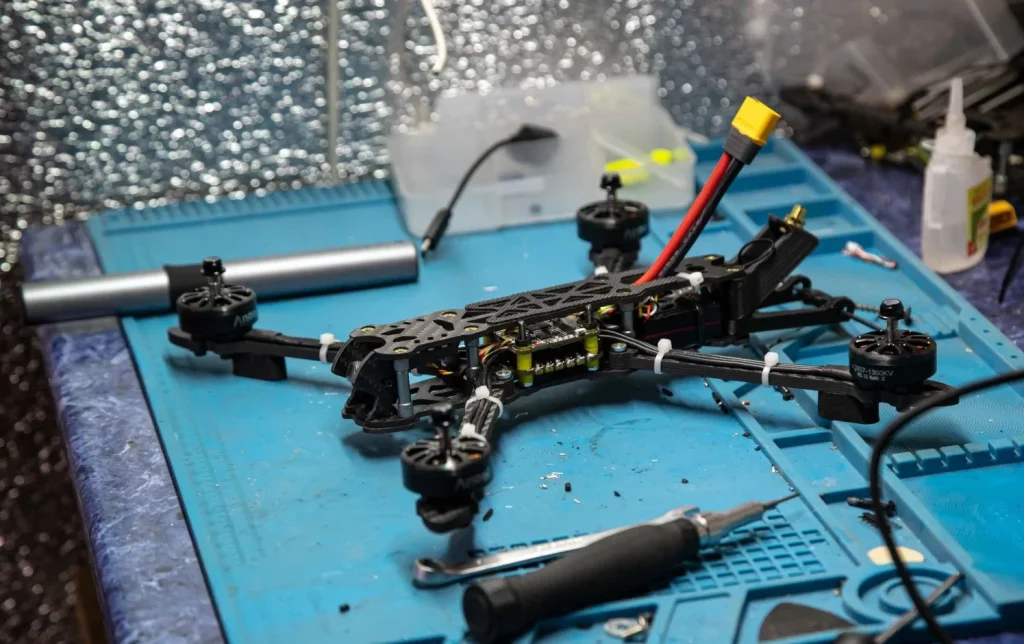
The Russia–Ukraine war has radically reshaped perceptions of modern warfare: aviation no longer enjoys absolute control of the skies, and large cruisers and advanced tanks have lost their status as invincible—an assumption undermined by relatively inexpensive unmanned systems. At the same time, the war of 2022 differs markedly from that of 2025: the Ukrainian army, facing Russia’s superior mobilization and material resources, has been forced to seek asymmetric solutions and demonstrate flexibility and ingenuity—particularly through the thoughtful use of drones in the air and at sea. Today, UAVs on both sides enable the creation of so-called “kill zones”—areas of destruction up to 10–20 km deep, where equipment and personnel are often simply annihilated. According to Ukrainian soldiers, the future of warfare belongs to unmanned systems.
As recalled by the deputy commander of the 59th Separate Assault Brigade of the Unmanned Systems Forces of the Armed Forces of Ukraine, known by the call sign “Irishman,” at the beginning of the full-scale invasion Ukrainian units independently searched for and refined new ways of employing drones in combat—moving from basic reconnaissance to delivering munitions and adjusting fire. “We adjusted artillery strikes using a drone, while other soldiers did it based on maps. Then we compared the results—the difference was very significant. That was our first serious drone experience in 2022. Later, we began using drones to drop munitions,” says “Irishman.”
Since then, innovation has had a profound impact on the development of military technologies: the cycle for creating new systems or upgrading existing ones has been reduced to just three to four months—or sometimes even less. A crucial role in this process is played by so-called drone laboratories, where unmanned systems are tested, repaired, improved, and sometimes even newly developed in accordance with frontline needs.
“The main purpose of these laboratories is to ensure the unit’s combat effectiveness. We are the first to feel the problems and understand what the front needs—and the first who can quickly test new ideas and find solutions,” explains “Platon,” head of the workshop of the 1st Battalion of Unmanned Systems “Predators of the Heights” of the 59th Separate Assault Brigade.
These drone laboratories have proven their effectiveness, which is why virtually every Ukrainian unit now has its own frontline workshop. Otherwise, drone crews themselves are forced to handle technical maintenance, reducing their combat readiness.
At the same time, laboratories can differ in type and tasks. “The larger the unit, the more specialized workshops it can afford. For example, a single unit may have separate workshops specializing exclusively in FPV drones, Mavics, or heavy bombers,” says Andrii Khoma, commander of unmanned systems in a special operations detachment.
These workshops have a strategic effect: they ensure a continuous technical process—shortening repair and upgrade cycles, and enabling rapid testing and implementation of tactical innovations without lengthy supply delays. Their uniqueness also lies in their close proximity to active combat.
“Being close to the front forces us to constantly improve our equipment. Since the front line is dynamic, radio frequencies change rapidly: they work today, but tomorrow the enemy starts jamming them. A frontline workshop allows us to quickly retune drones and maintain their combat effectiveness under such conditions,” Andrii explains.
Frontline workshops directly impact unit effectiveness. Before their establishment, the success rate of FPV sorties in Andrii’s unit was around 30%. After organizing a workshop, this figure doubled to 70%. This demonstrates that technical support and rapid modernization of drones are critical factors in increasing battlefield effectiveness.
The full article was published by CEPA
Author: Serhii Kuzan
Photo: ArmyInform
18.05.2026
When Russia launched its full-scale invasion of Ukraine in 2022, Mariupol quickly became the site of…

05.05.2026
Russia pressed every Donbas sector in April, with assault tempo at a two-month high. The territorial…

16.03.2026
It is in the war against Ukraine that Russia is trying to adhere to this non-linear…


