


Mariupol is Putin’s blueprint for occupation, and the world is barely paying attention
18.05.2026
When Russia launched its full-scale invasion of Ukraine in 2022, Mariupol quickly became the site of…
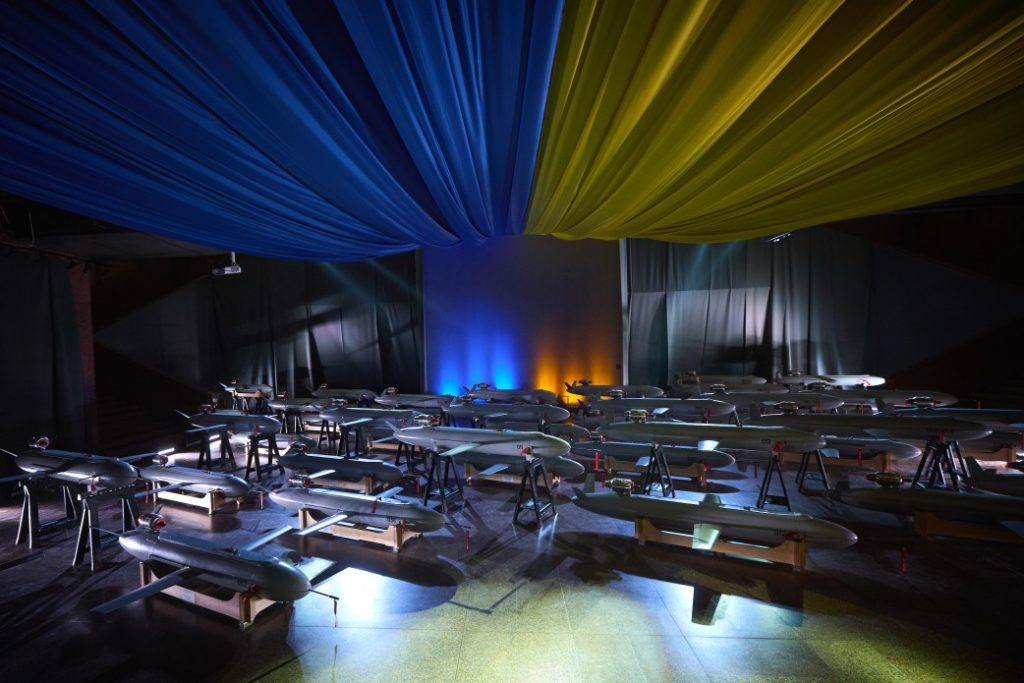
In the fall of 2024, Ukraine’s military and political leadership launched a process of decentralizing procurement — a decision driven by the new challenges of a war of attrition. Over three years of Russia’s full-scale invasion, the nature of combat has shifted from massed mechanized assaults to more flexible tactics. Under such conditions, success in war is determined by a combination of factors, foremost among them the ability to adapt to new challenges, technological superiority, and effective logistics.
Therefore, cooperation between the Alliance and Ukraine is a strategic necessity for NATO countries amid the formation of a new European security architecture, in which Ukraine already serves as a central pillar.
As of mid-2025, drones account for approximately 80% of damage inflicted on enemy equipment and manpower, effectively becoming the primary instrument of combat. Overall, the war in Ukraine has accelerated the development of military technologies many times over: the cycle for creating new systems or upgrading existing ones has been reduced to just 3–4 months. Under these conditions, the army must adapt rapidly, and establishing uninterrupted and timely supply of equipment to the front in the required quantities and configurations has become a critical issue — one that can be addressed through decentralized procurement.
Previously, due to bureaucratic constraints, Ukraine’s state procurement and weapons supply system failed to keep pace with battlefield dynamics and technological advances. As a result of such delays, drones and technologies purchased through centralized channels often lost their effectiveness and technological edge by the time they reached the front. This created an operational gap between commanders’ needs on the ground and the actual assistance the centralized system could provide.
In response to these challenges, Ukrainian President Volodymyr Zelenskyy instructed that the weapons procurement cycle be shortened and decentralized. Responsibility for implementing this task was assigned to the Deputy Head of the Office of the President of Ukraine, Colonel Pavlo Palisa — a former brigade commander of the 93rd Separate Mechanized Brigade, who has a deep understanding of frontline realities and the challenges faced by Ukrainian troops.
The decentralization program became operational in the fall of 2024, enabling unit commanders to independently and rapidly procure the equipment they need — from drones and ground robotic systems to electronic warfare assets. In other words, they can now select the key “consumable” resources of technological warfare, tailored to the specific needs of each brigade.
Within six months of the program’s launch, approximately $312 million had already been allocated to it. Each month, participating units receive a fixed amount for drones and other equipment, depending on their size. For example, brigades receive around $650,000, while regiments receive up to $385,000.
The full article was published on CEPA
Author: Serhii Kuzan
Photo: Office of the President of Ukraine
18.05.2026
When Russia launched its full-scale invasion of Ukraine in 2022, Mariupol quickly became the site of…

05.05.2026
Russia pressed every Donbas sector in April, with assault tempo at a two-month high. The territorial…

16.03.2026
It is in the war against Ukraine that Russia is trying to adhere to this non-linear…


