


The Kremlin loves to play spy games and engage in hybrid aggression. This is exactly how Russia has acted in Ukraine for years – gradually “probing” the defenses, looking for weak spots and testing reactions. And only when Moscow, despite all its efforts, failed to achieve its desired results, particularly in the Donbas, did it resort to an open, full-scale invasion. But even here, the Kremlin “bit off more than it could chew” – they did not expect Ukrainians to show such unity and steadfast resistance.
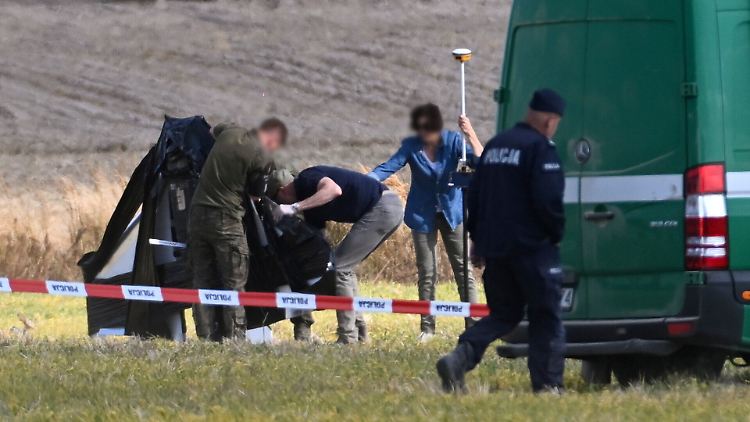
The attack by drones that flew into Polish territory on the night of Sept. 10 was another episode in this hybrid game that Moscow has been playing in the West. The goal is clear: to destabilize Ukraine’s allies and undermine the unity of the NATO.
These events are the result of aggressive actions of the Kremlin that have not received an adequate response, as not only drones but also missiles have flown into Polish airspace. The lack of a decisive response from both the Polish command and NATO only encouraged Moscow to continue actively “testing” the defenses. And each time, the Kremlin tried to shirk responsibility, hiding behind excuses such as “it wasn’t us” or “it was a Ukrainian provocation.”
We have already seen Russian acts of aggression against aviation in the Baltic and Black Seas, flights with transponders turned off, sabotage, and, in fact, sub-threshold actions on the territory of NATO member states. This is not an accident or a “coincidence.”
All these incidents paint a clear picture of minor provocations that Moscow uses to push the boundaries of what is acceptable and overload the system of command, decision-making, and response to threats. The Kremlin forces Western command centers to spend time, resources, and logistics on each incident and takes advantage of this.
In this way, Russia is trying to divert Western resources away from the war in Ukraine, intimidate the population, and undermine support for Kyiv, depriving it of critically important resources. This is not only about political attention or finances, but also, for example, air defense systems, which can now be reoriented not towards defending Ukraine, but towards defending NATO countries.
Although Russia is currently bogged down on the Ukrainian front and is unable to open a second one, the prolonged “lenient” mode of combat operations allows the Kremlin to accumulate reserves for future provocations against Poland and the Baltic states.
NATO closing the skies over western Ukraine is not getting involved in the war, but a demonstration of unity and strength – the only language that Moscow understands.
What should be done? The example of the Kursk operation proves that proactive moves can disrupt Moscow’s plans, divert resources, destroy reserves, and simultaneously protect one’s own territories. This is a lesson that allies should take into account.
Therefore, the only adequate response to the Kremlin’s nighttime attacks is to strengthen and develop the European security system and increase assistance to Kyiv, which should be the foundation of this architecture. If the allies are not ready to shoot down drones and missiles over Poland, then at least the skies over the Lviv and Volyn regions must be closed, without waiting for formal decisions or the end of hostilities. This is the only way to make Russian provocations pointless. This is not getting involved in the war, but a demonstration of unity and strength – in fact, the only language that Moscow understands.
Although Poland possesses limited air defense resources, it is entirely feasible to ensure protection over at least the right bank of Ukraine in coordination with partners and NATO.
Once again, let us recall that only after Ukraine took proactive action in the Black Sea, in particular strikes against Russian ships and bases, did shipping resume and the “grain corridor” begin to function.
The same must happen in the air. Defending Ukraine’s skies is not the ultimate goal, but the first proactive step. This must be followed by increased assistance and the presence of allies in the air, at sea, on land, in cyberspace and in infrastructure projects. Only in this way can Russia’s war against Ukraine be rendered futile and the Kremlin’s plans for future aggression be definitively thwarted.
This material was originally published on Kyiv Post
Author: Serhii Kuzan
Photo: dpa picture alliance/PAP/Wojtek Jargilo