


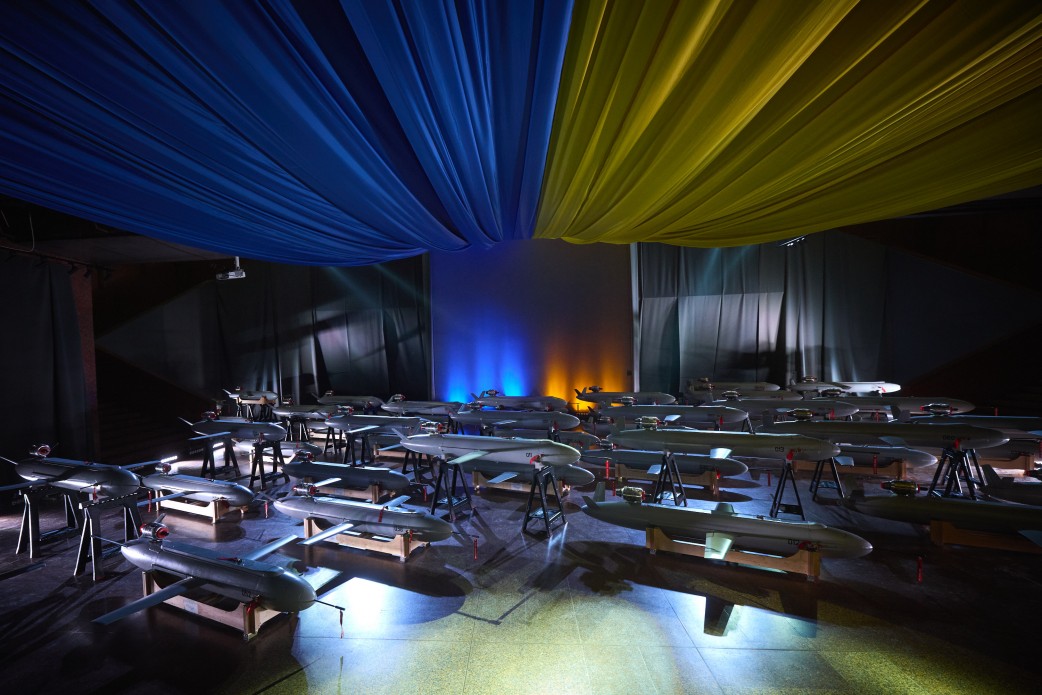
The new procurement system marks a major step away from Soviet-style centralized bureaucracy and was a response to the logistical challenges of Kyiv’s war of attrition against Russia. It also reflected a shift in combat operations from massive mechanized attacks to increasingly flexible tactics using unmanned aerial vehicles (UAVs).
Drones are causing about 80% of damage to enemy equipment and manpower, and have effectively become the main tool of war. Rapidly changing frontline threats mean commanders needed to get specific equipment to meet specific threats, and fast.
The answer was to put procurement in their hands.
Success in war is determined by a combination of factors, among which adaptation to new challenges, technological superiority, and efficient logistics are of paramount importance. The change in procurement is intended to serve all three.
The development of military technologies has been accelerated by the war, with the cycle for creating new models or improving existing ones cut to 3-4 months. As a result, the army has needed to adapt quickly to provide a continuous and timely supply of equipment to the frontline in the required volumes and specifications.
Before it was decentralized, the Ukrainian state system of arms procurement and supply could not keep pace with the needs of the battlefield or technological progress. And delays in delivery meant drones and other equipment were out of date by the time they reached the front.
Ukraine’s President Volodymyr Zelenskyy decided that arms procurement would be moved away from the center, shortening the time between order and delivery. Responsibility for the task was assigned to Colonel Pavlo Palisa, a former brigadier of 93 Separate Mechanized Brigade, who was chosen for his understanding of the frontline.
The decentralization program allows unit commanders to purchase the necessary kit — from drones and ground robotic systems to electronic warfare equipment — so they can choose the appropriate “consumable” resources for the terrain they are fighting on and the threats they face.
In six months, about $312m has been allocated, with units receiving a fixed monthly amount for drones and other equipment. Brigades get $650,000 while regiments are allocated as much as $385,000.
The full article is published on CEPA
Author: Serhii Kuzan
Photo: Office of the President of Ukraine